
Share More Than Hello
Help more people discover More than Hello and inspire others to support the campaign.
Share the campaign →
From a Love of Ponies to National Countryside Champion
“Everybody was like, ‘Oh my God, George, you’ve won.” And someone said, “You’re the man of the moment,” so that’s become the thing: he’s the man of the moment,” says Heather Burman, recalling how her 14-year-old son, George, won the Countryside Challenge at the RDA National Championship in 2026. And George’s reaction? Even from the preliminary trials, he was confident: “Yeah, I told you I would, Mum.”
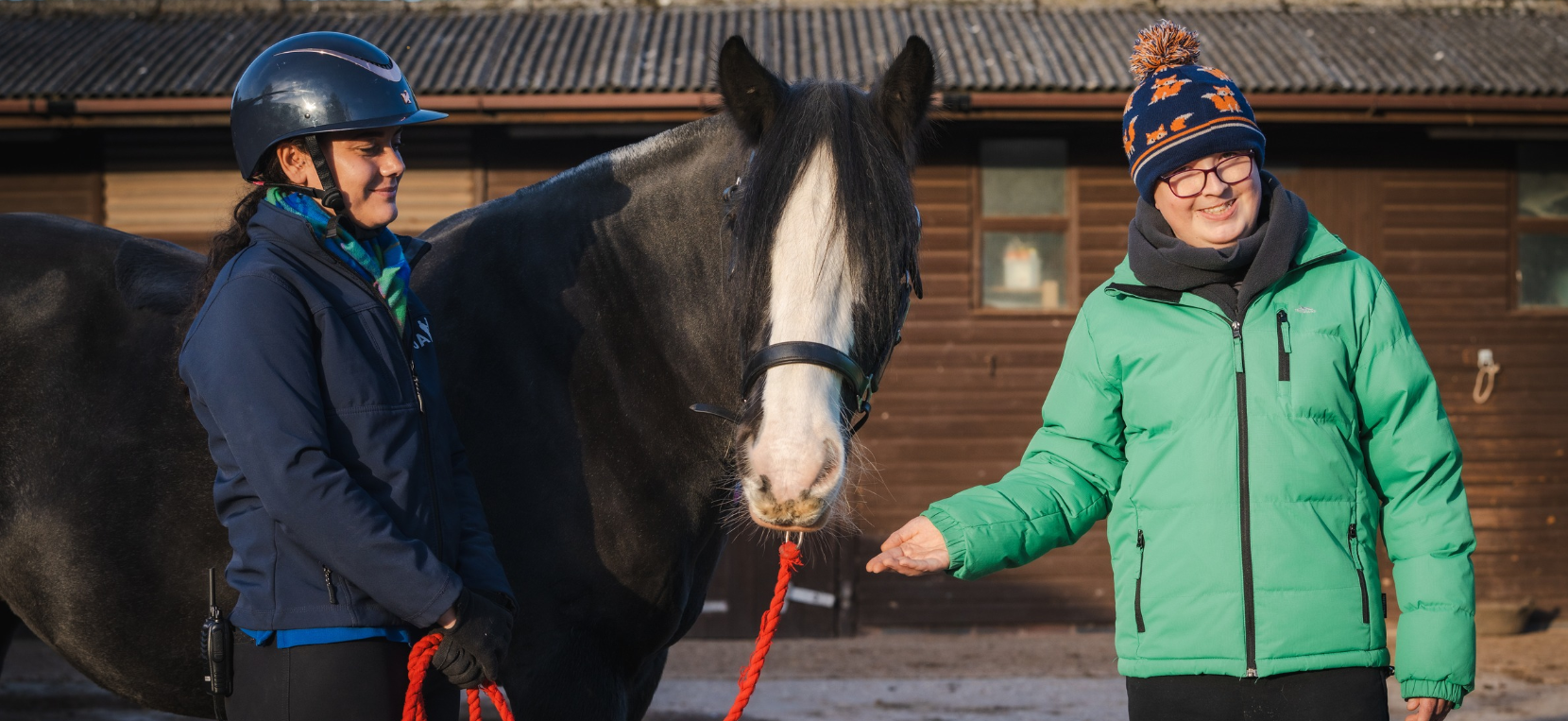
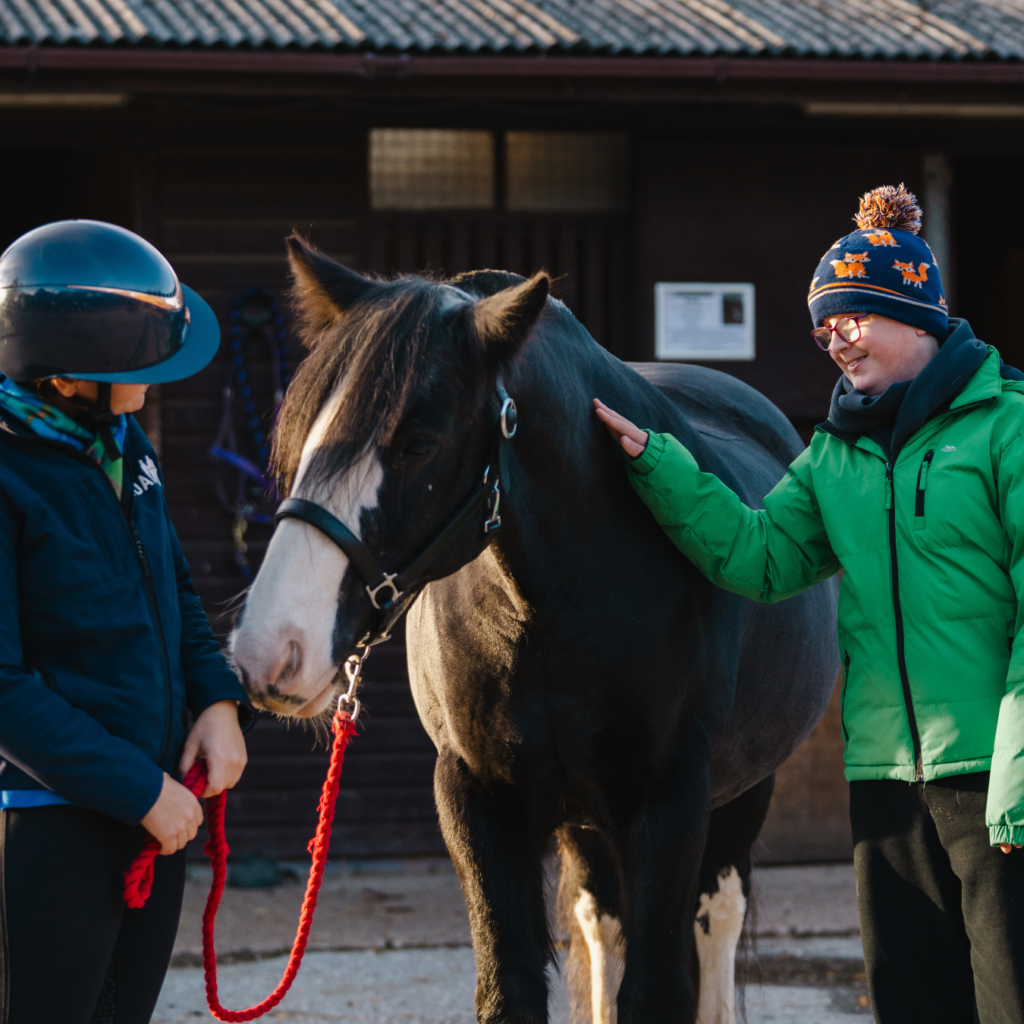
Heather adds that George, who is autistic and has epilepsy, has always connected with animals, who understand him and will sit with him while he strokes or hugs them. The family has always had animals at home, including two old retired horses, cats, and a Jack Russell dog.
However, it wasn’t until about five years ago that George became interested in riding horses, although Heather pointed out that her two retired horses were a bit old and big, at 16 hands. He went to a local riding school for a while, until Heather discovered the RDA through a South Warwickshire charity called ILEAP.
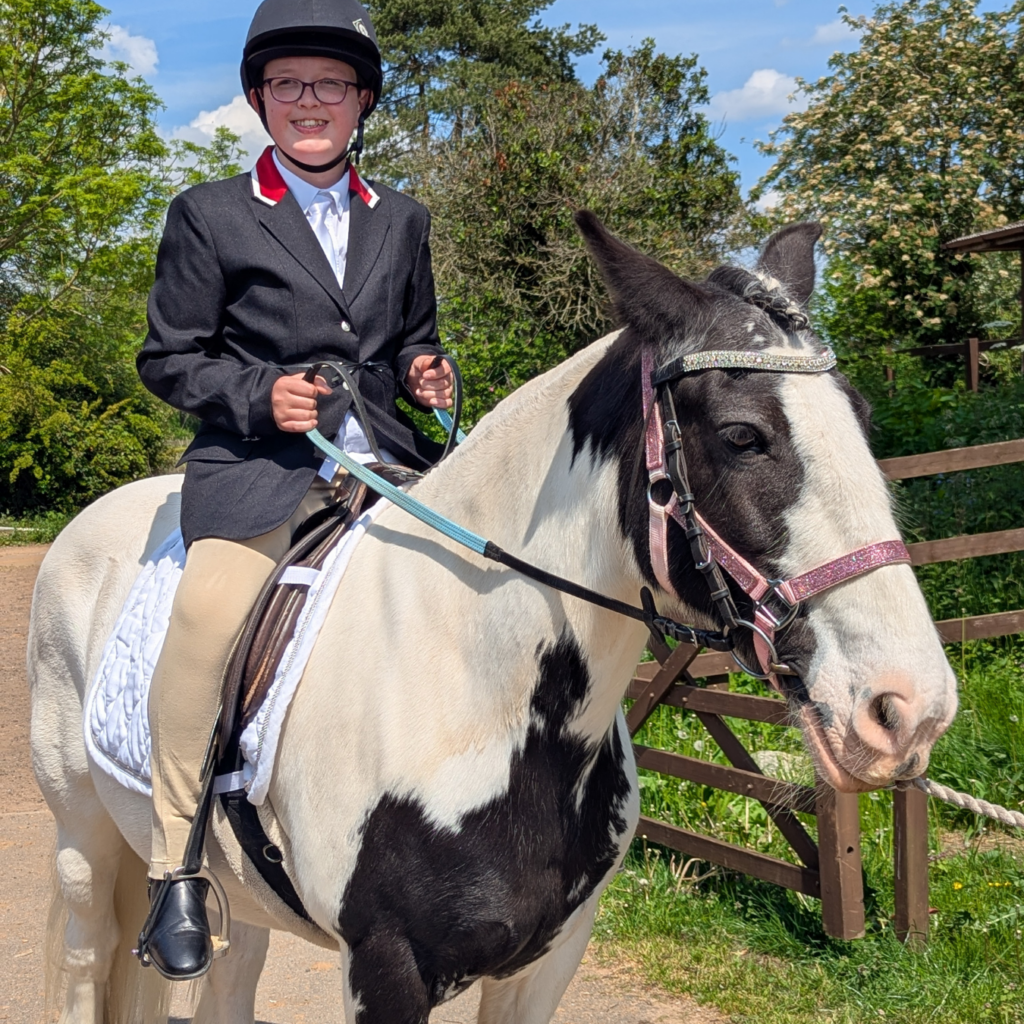
“ILEAP does lots of things for autistic kids, and their website showed them doing things with the RDA,” says Heather. “I’d not made that connection in my head that RDA could be for autistic children and people with less visible disabilities, so George then started riding at Shrewley RDA. It was wonderful, with calm ponies, and everyone was so understanding and encouraging.”
Unfortunately, George’s initial experience with RDA was cut short – and it all started with a limp. He came back from school one day with a limp, which was originally diagnosed as a problem with his knee. However, after a week’s rest, it wasn’t any better.
“He came back from school, and he could hardly walk,” says Heather. “He said he’d turned quickly and it really hurt. And for George has a mega high pain threshold.”
There followed another knee-injury misdiagnosis, then George saw a consultant who x-rayed his hips, which showed he’d virtually dislocated his entire femoral head. An operation to screw the femoral head back in place failed.
“There’s nothing we can do now but manage his pain and wait for him to finish growing before he can have a hip replacement,” says Heather. “But he’s never complained about it. The consultant doesn’t know how he’s not in pain, but George just gets on with life. It doesn’t let it bother him, but it’s dramatically reduced what he can do and what sports he can do.”
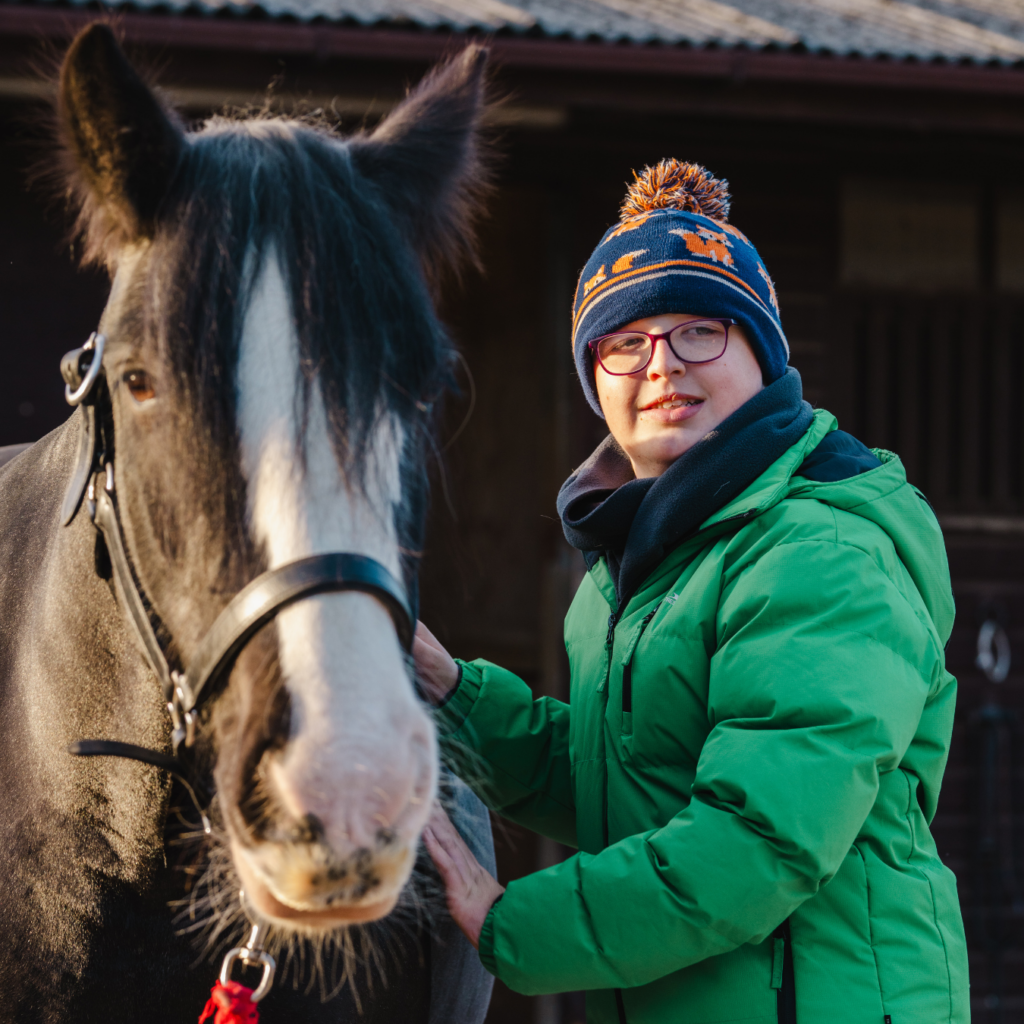
However, George’s school in Leamington adapts physical education to his needs, such as standing basketball and volleyball, and swimming. His parents had to fight to get him into the school, about 20 minutes from home, because mainstream schools didn’t meet his needs.
“George has always had delayed learning. Even in preschool, they were keeping an eye on him and saying, “Oh, he’s not meeting his milestones, whatever.” And to be fair, he never has. I was just like, “You’re never going to get him to tick the boxes because he doesn’t fit in them.” They were great and worked with him to have the assessment. He was diagnosed with autism, and he’s now on an education, health and care (EHC) plan. He goes to Peter’s Place, which has a Special Educational Needs (SEN) unit within a mainstream school. It’s not like a special school because he’s too good for that, but he’s also not good enough for mainstream school. He goes to somewhere that’s sort of in the middle. If he’s good enough in one subject, say, he can then go down to mainstream school and do that subject in mainstream.”
On another positive note, George could go back to riding at the stables because the consultant said that as long as he can get on the pony, he should continue.
“It’s just been a lifeline for him because it’s something he really loves,” says Heather. “He loves Aimee the pony, and I’m hoping that as we continue, his leg’s not going to freeze up and get to the point where he can’t get his leg over the saddle. But at least there are hoists at the stables if that ever happens.”
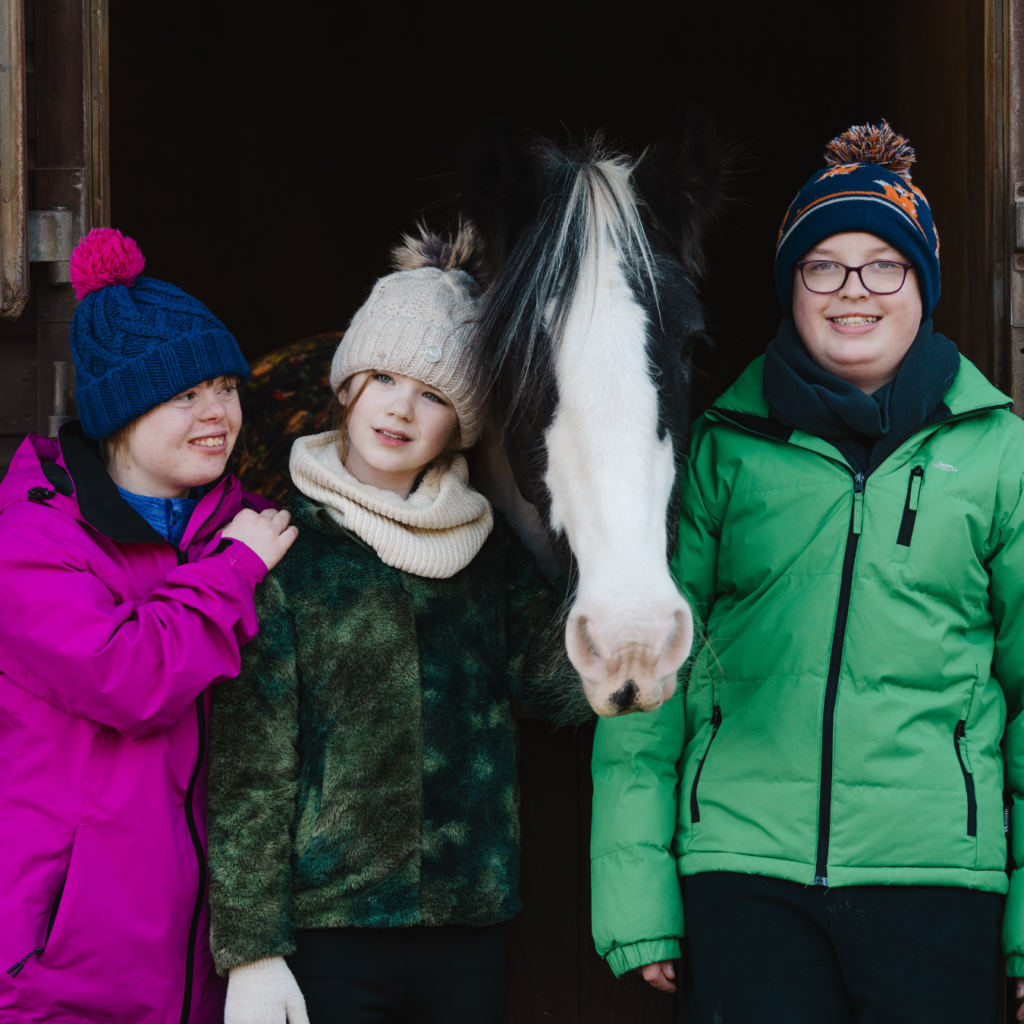
Soon after George returned to Shrewley RDA, the stables started the preliminary stages for qualifying for the RDA’s Countryside Challenge at the annual National Championships. He didn’t take part that year because it was too soon after his hip operation, but by the second year, George was ready, and his instructor, Hannah, reassured him he’d be there.
“George was really excited and told him to just do his best, go and have a good time – and that’s what he did,” says Heather. “He was beaming, with a massive smile on his face going around the course, and it didn’t matter if it went wrong or whatever. Then he won the preliminaries; I was gobsmacked! He’d qualified for the Nationals.”
The rest is history: George proudly got his winner’s sash and trophy as Countryside Champion at the RDA National Championships. And Heather says that’s all come about through the changes in George since he started with RDA.
“He’s more confident, and he’s happy and willing to talk about his experiences. He wanted to take part in the Game Fair event at Ragley Hall this summer; he was going around waving at everybody with a massive smile on his face. He was so happy to be on Aimee again. You couldn’t get better than that, could you?”
She adds that RDA has helped her and Steve, George’s father, let George develop his independence “rather than trying to cover him in cotton wool and keep him safe, as you would as a parent, because that’s what you want to do”.
“He’s growing up; we’ve got to let him go. And RDA has really helped with that because it’s something that he can do. I’d encourage any family with autistic children or other less visible disabilities to explore what RDA can offer.”
For thousands of people, hello has already become so much more.
Other Ways to Support
Help more people discover More than Hello and inspire others to support the campaign.
Share the campaign →
There are lots of ways you can support RDA and help create more opportunities for disabled people this Christmas.
Other ways to give →