
Share More Than Hello
Help more people discover More than Hello and inspire others to support the campaign.
Share the campaign →
Finding Happiness, Confidence and Connection Through Horse Riding
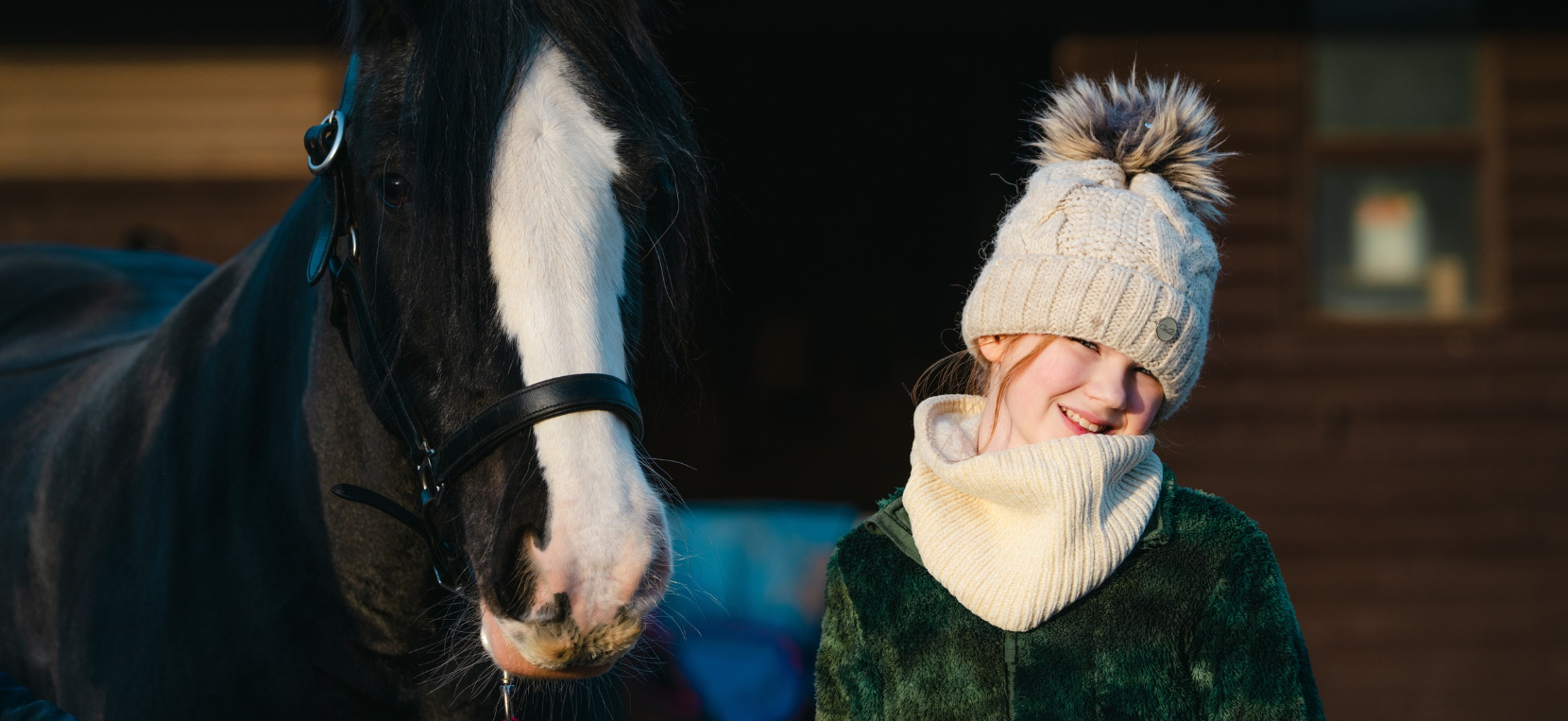
Life was already challenging for Gracie, not yet 4 years old. As an autistic child she found mainstream childcare settings difficult and 5 placements broke down. She was also hypermobile and struggling with her balance and muscle strength as a result, causing her to fall frequently. Then her life changed.
“Gracie’s physiotherapist suggested we look at activities such as horse riding, rather than more physio, and as Gracie loves animals we thought she’d like it,” says Rebecca Williams, Gracie’s mum. “We got in touch, had the RDA assessment, and she started riding lessons. And she absolutely loves it.”
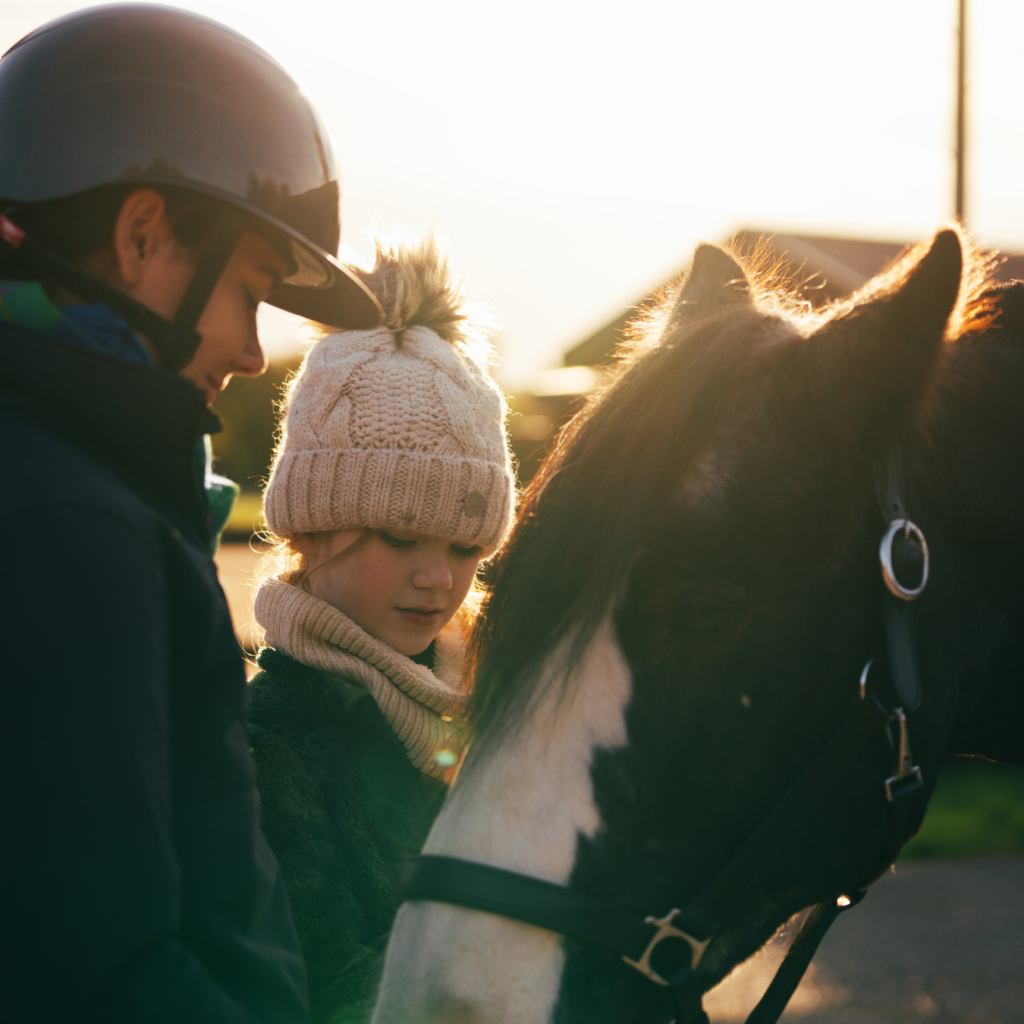
Since that early start, Gracie’s developed a special bond with an RDA pony called Blue: her mum comments that “Gracie loves him because he’s a bit like her, a little cheeky sometimes. He’s the same age as her, and she kind of likes that unpredictability.”
Within a year of starting at the stables, there were some noticeably positive physical changes in Gracie. Her physiotherapist mentioned her core strength had improved, and her stamina had increased, enabling her to keep an upright posture throughout her lessons rather than slumping halfway through. Her social experience also improved.
“Gracie is a really sociable child, and likes the idea of socialising, but the reality of it is a bit overwhelming for her,” says Rebecca. “But the riding lessons are quite structured, so she is with other children but doesn’t have to stand around and chat to them. It’s social, but in a manageable way.”
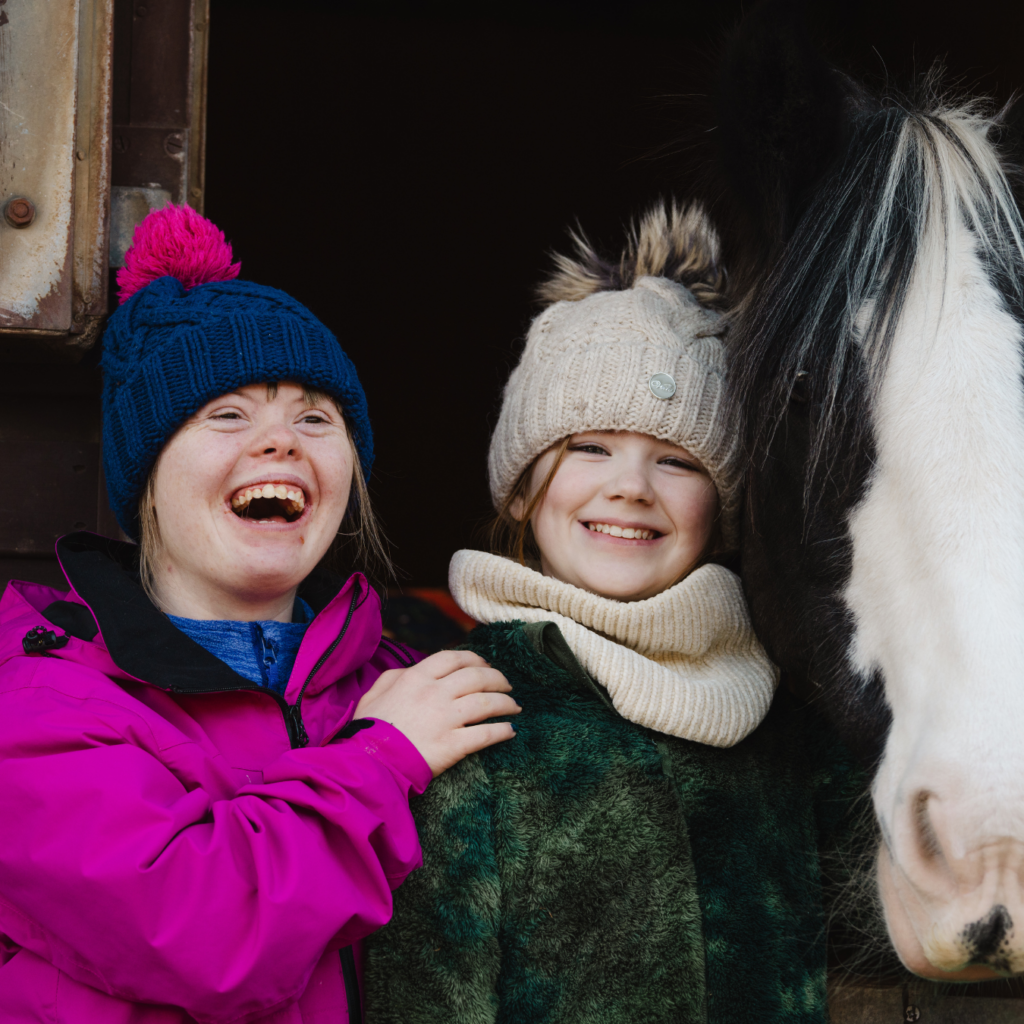
Gracie’s also finding encouragement through the other children, as Rebecca explains: “All the children and young people are so encouraging of each other. There’s not that competition of ‘Oh, I’m better than you’, because it’s more like ‘Oh, you did a really awesome sitting trot’. It’s a really nice nurturing space for friendships on that manageable level.”
Rebecca grew up with farm animals, and Gracie has been around animals her whole life, including at home. She goes to a farm because she’s not in school, accessed through a specialist package.
“Gracie has never shown any anxiety around big animals,” says Rebecca. “She’s always loved being around them and seems to get a lot from them. Animals seem to understand her, and there’s an unspoken communication between them. At the farm, she’ll drape herself over a sheep, and they just stand there and are okay with it. Gracie is autistic, with the demand-avoidant presentation. She can be very like, ‘No, no, doing it like that’, and stuff. But she’s never really done that when riding. She loves movement, and her body just relaxes when she gets on the pony. So just for that, to be honest, it’s been worth it because she was recently diagnosed with ADHD as well, and she’s very hyperactive. But again, when she’s on a pony, she’s simply happy.”
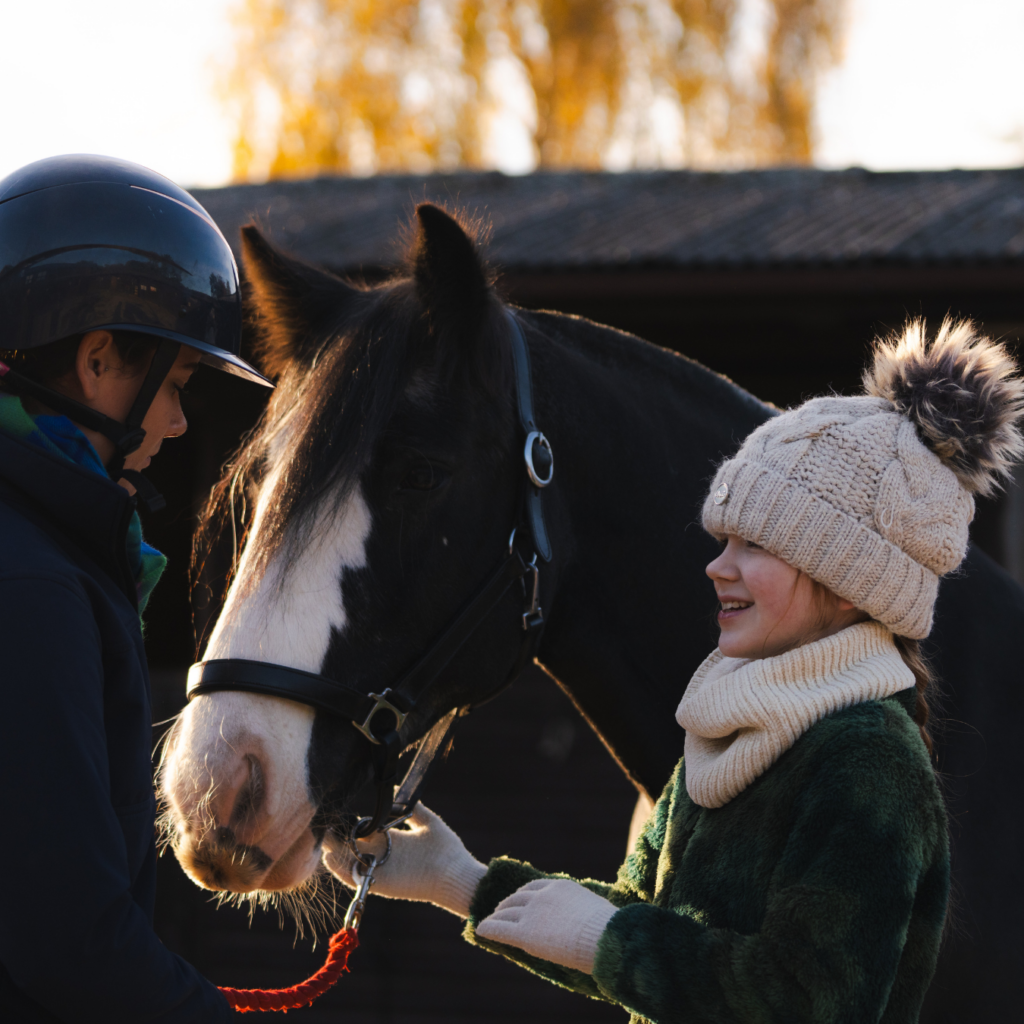
Seeing that success, and Gracie’s obvious happiness around the horses, helped offset other areas of her life that remained difficult, notably in education. “As a family, we’ve had so many meetings where we were told what she was not very good at, and we’ve had a lot of battles to get her the right education,” says Rebecca.
“It’s really disheartening and upsetting just hearing that about your child all the time,” says Rebecca. “Comments such as they’re behind on this and they can’t do that, and they struggle with this. I worried about the impact on Gracie’s self-esteem, too. So, seeing her be good at riding, and sharing her experience of being good at something, is just lovely.”
At one point, the local council suggested Gracie attend a mainstream school, but the school couldn’t meet Grace’s needs in her EHCP as the numbers of children gradually increased – Grace had differing sensory needs to many other children there. Additionally, she struggled with the travelling distance to and from school each day as the unit wasn’t local. She found it hard and distressing to go in every day; eventually, her anxiety was overwhelming and she wasn’t able to go at all.
The family went to another tribunal, which positively resulted in the EOTIS (education otherwise than in a school) package. The customised programme is funded by the local authority and delivered outside a conventional school environment, combining activities at home and alternative provisions, with support from a learning support assistant.
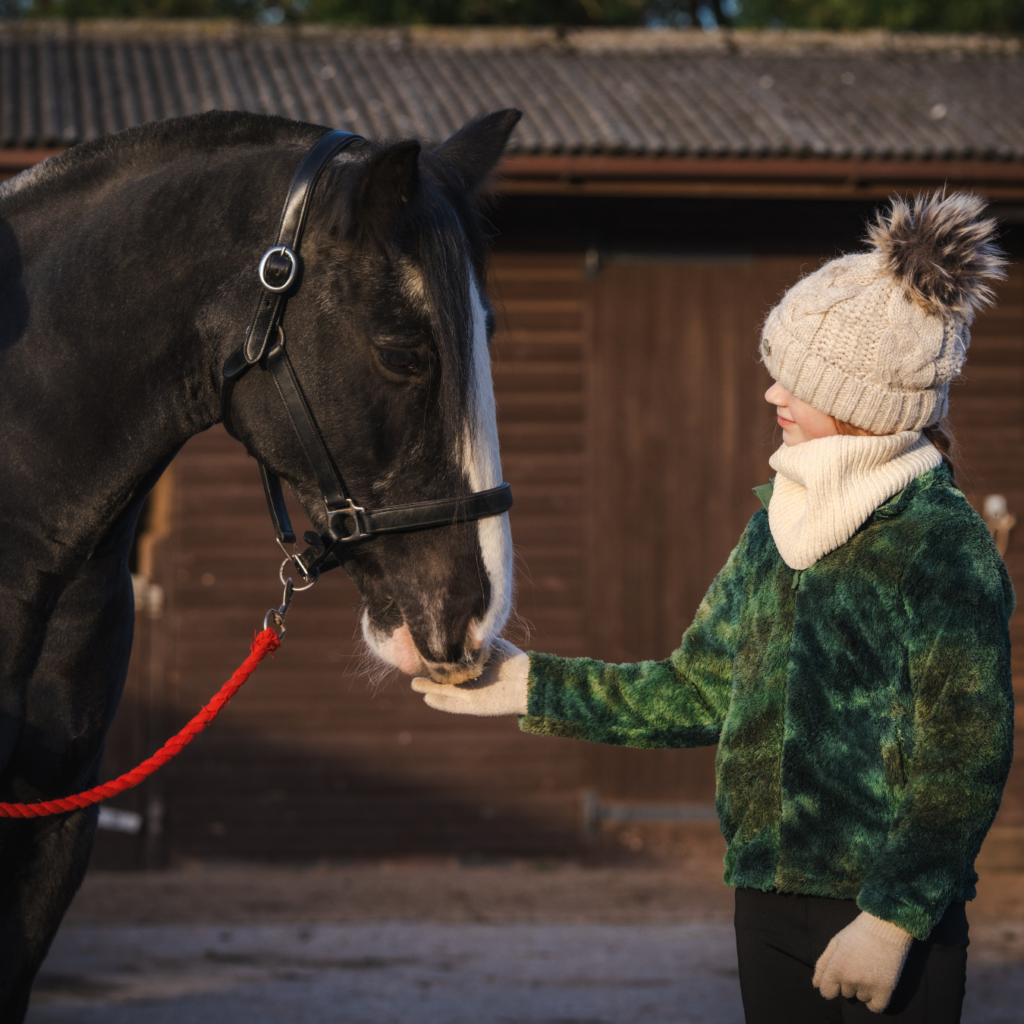
“It’s a great arrangement, although there were some challenges, and there’s been some money from social care that we can use for the Saturday riding lessons,” says Rebecca.
Gracie continues to ride every Saturday, and while her mum understands
that some people might not fully understand what it can mean to their child, she encourages them to find out more.
“People can sometimes think it’s ‘just horse riding’ and it’s taking time out of their weekend. But if you actually look at all the things that horse riding helps, then that shows the incredible benefits from such an apparently simple thing as being with horses. It helps the body with balance and core strength and coordination and all that kind of thing. It helps children socially because they are around other children and adults, but in a controlled way. Listening to instructions and following the instructions also helps.”
She understands people might be initially frightened if they haven’t been around animals very much, as horses are big, and it might be a bit daunting:
“When Gracie first got on you think ‘she’s so small, and she’s really high up’, although I was really more worried about her jiggling around and not necessarily following instructions, but she never had any of those issues. There can be long waiting lists for a place at an RDA centre, but it’s worth all the patience and waiting.”
Rebecca adds that the relationship you have with an animal is different from any other relationship you’ll ever have: “Unless you’re an animal person and have experienced that relationship and how calming it is, I don’t think people really understand that, but it is really lovely.”
“I can’t really imagine Saturday without Gracie’s riding, because it’s been going for so long,” says Rebecca. “And everyone at the centre is so lovely. The RDA volunteers are amazing, as they just get on with things, and they’re always very encouraging and upbeat and welcoming. We pop up the road, and yes, it does get a bit chilly in the winter, but it’s all right. Gracie gets to see Blue and some of her friends, and she’s happy – it’s an anchor point in our week, really.”
For thousands of people, hello has already become so much more.
Other Ways to Support
Help more people discover More than Hello and inspire others to support the campaign.
Share the campaign →
There are lots of ways you can support RDA and help create more opportunities for disabled people this Christmas.
Other ways to give →