To meet record levels of demand for life-changing equestrian opportunities. With 71% of RDA groups receiving more requests than they can currently meet and nearly 4,000 people on waiting lists, the need for expanded, accessible equestrian activity has never been greater.
To help close this gap, RDA has relaunched its Approved Centre Scheme, designed to equip commercial equestrian centres with refreshed training, tools, and accreditation. By meeting nationally recognised standards of safety, accessibility, and inclusion, these centres can deliver high-quality equestrian experiences. This approach not only broadens choice for disabled participants but also ensures that meaningful equestrian activities are available through both RDA charity groups and commercial centres.
What Are RDA Approved Centres?
RDA Approved Centres are equestrian centres, including riding schools and alternative education settings, that have been formally recognised by RDA UK for their ability to provide safe, inclusive, and therapeutic equestrian sessions for disabled people.
These centres play a crucial role in complementing the work of local RDA groups. By expanding capacity nationwide, they help reduce waiting lists, meet unmet demand, and ensure that fewer individuals are left without access to the emotional, physical, and social benefits that horses uniquely provide.
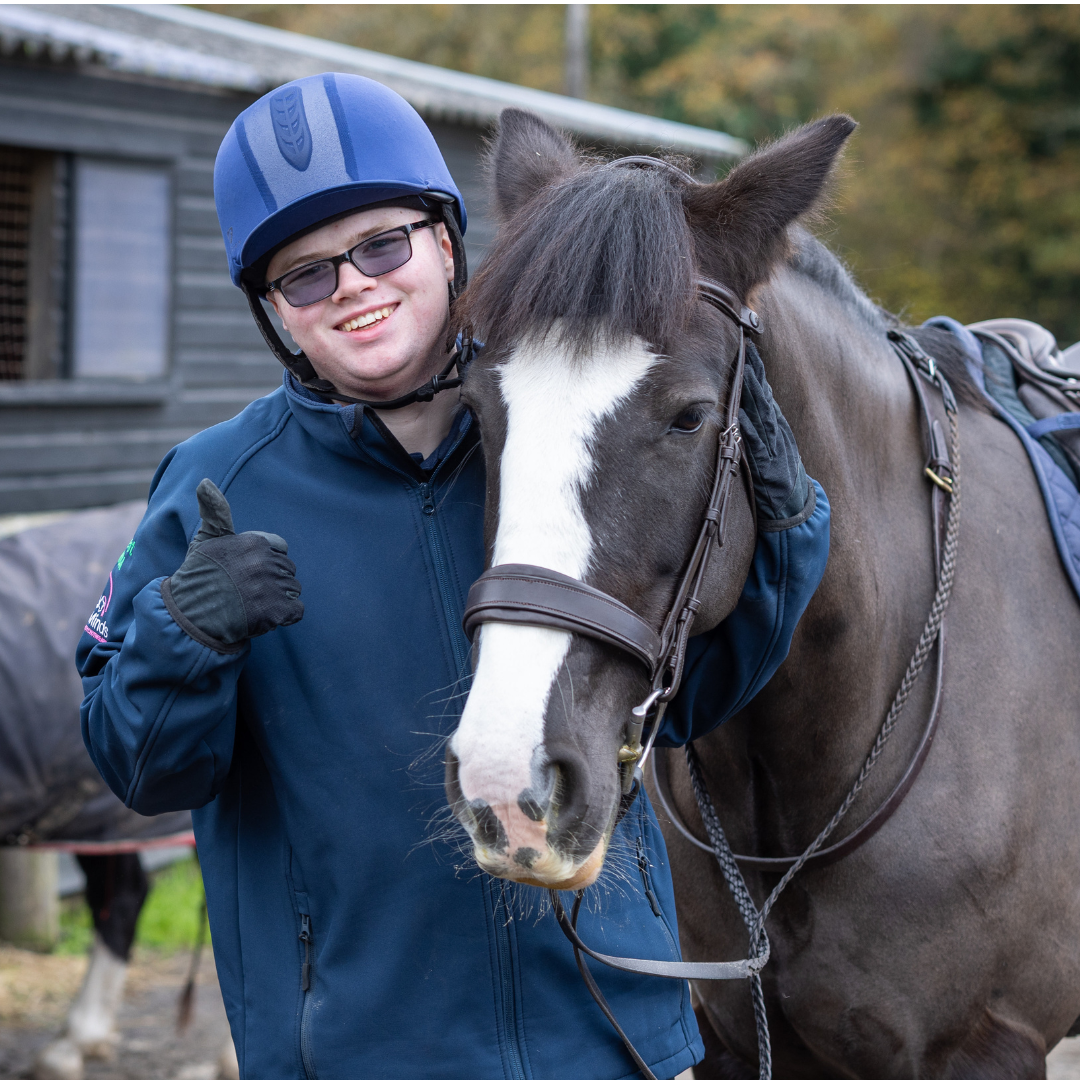
Q&A With Laris Farm, RDA Approved Centre
In this section, RDA Approved Centre, Laris Farm, shares their experience of the scheme, the impact on their participants, and the value of working in partnership with RDA.
“Becoming an Approved Centre has meant the world to us. The RDA does incredible work, and the demand for places is so high. Being able to help ease that demand, and to offer these amazing opportunities to riders who might not thrive in a traditional riding school, is exactly why we get up every morning.”
Has becoming an RDA Approved Centre supported you to expand access and choice to a wider range of participants? Absolutely, there’s a lot of pressure on a coach to do right by your clients. Before becoming an RDA-approved Centre, I was anxious about turning people away or failing them, so I avoided what I didn’t understand. RDA training helped me find that boundary, understand the complexities, and feel empowered to ask difficult questions, to know when we can help and when we can’t. It gave me the confidence to assess riders properly, knowing I had the skills to decide if our setting was right. We don’t have the equipment or manpower of full RDA centres, but there are thousands of riders between RDA and mainstream settings who are a joy to teach. Working with Quest RDA, whose riders often have significant needs, showed us the gap for those ready for the next step. Becoming that next step has been incredibly rewarding and opened opportunities those riders might never have had.
Has becoming an RDA Approved Centre contributed to the long-term sustainability and future development of your centre? Becoming RDA approved has completely reshaped our business. I’ve found a real passion for working with these participants, we’ve competed at RDA regionals, nationals, and online, which has been such fun and an incredible opportunity for everyone involved. We’ve also recently become an alternative provision for young people out of school. A traditional riding school has limited daytime lessons, but now our weekdays are spent with five amazing young people who are learning life and job skills to enrich their futures, while also helping to secure the future of the business.
Has it helped you grow your business and increase your capacity? It’s hard to say grow, we were already basically fully booked outside of school hours, but certainly there is a huge volume of calls now coming in through the RDA approval, so a business with more availability than we had would definitely find a huge business push. It is worth mentioning though we are at a point of emerging from a full transformation. Becoming RDA Approved and meeting the riders, their story, their passion and their determination has completely reshaped our business. I would say we have gone from a business without much scope for growth to a world of possibilities.
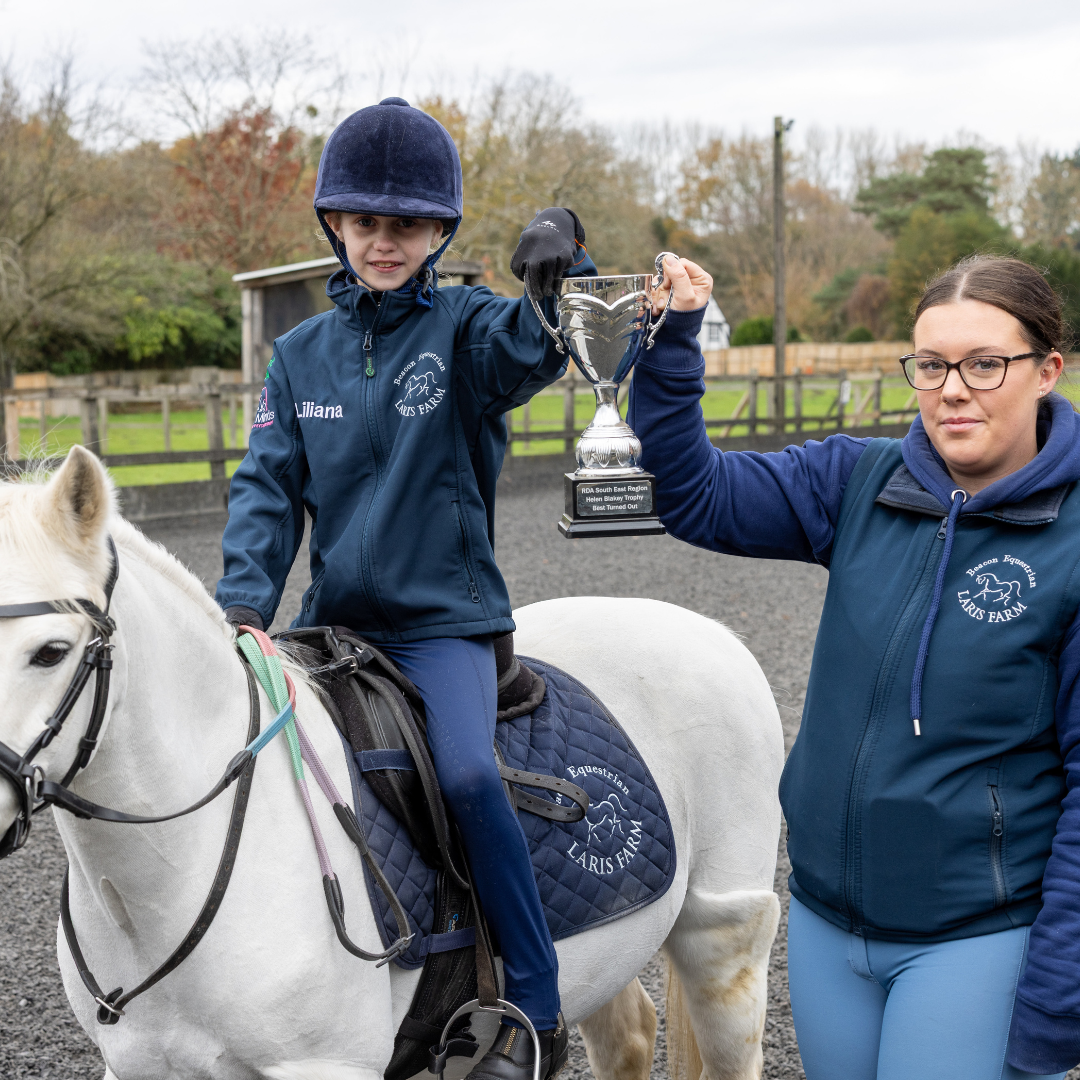
Do you feel that being part of the RDA Approved Centre scheme has enabled you to connect with and contribute to something bigger within the equestrian and disability sectors? I like to think we’re changing lives – before, we were just teaching riding. By offering opportunities to those who can’t access RDA charities, have outgrown them, or have advanced beyond their level, we’re enriching so many lives. Through this journey, I’ve found where I truly belong. I grew up with dyslexia, dyspraxia, and undiagnosed ADHD, and spent much of my life wondering why I didn’t feel “normal.” Now I’m surrounded by people just like me. My life is brighter and happier, and seeing the joy this brings to our riders and their supporters is incredible. My dream is to create a place where people who’ve felt like I did can feel accepted, included, and “normal” and that’s exactly what we hear from them. Today, one of our young people wrote “regulated” on our feelings board, a child who hadn’t set foot in education for four years due to dysregulation and burnout. That moment reminded me how powerful this work is. If every setting welcomed a few young people on placement and opened their doors to riders like Lilanna and Rhys from our competition team, imagine how many lives could change. My goal for next year is to double our RDA regional team and I’m lucky to have so many fantastic riders to choose from.
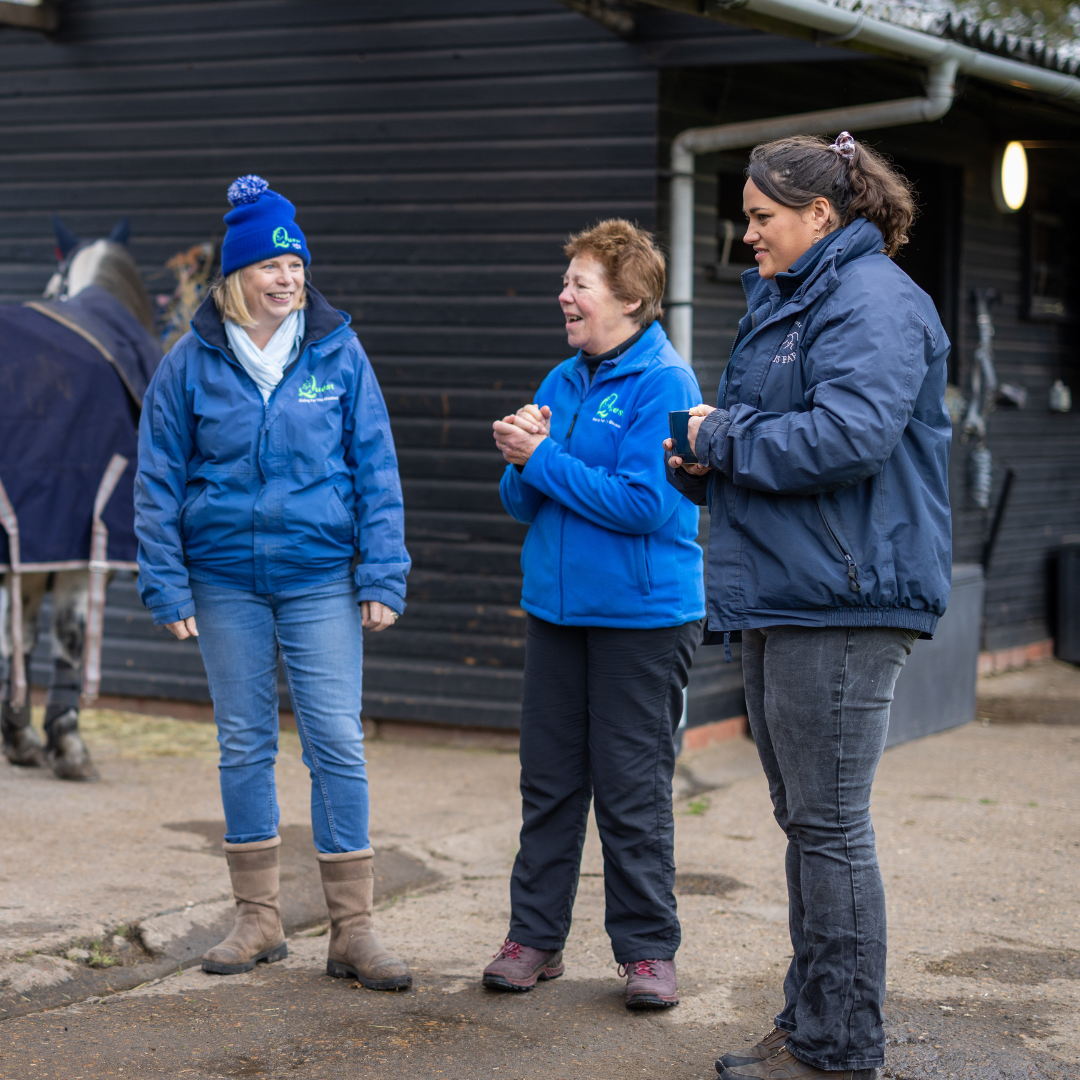
How has becoming an RDA Approved Centre enabled you to work alongside local RDA Groups? As I have referenced we work very closely with our local RDA. We constantly discuss riders and opportunities, the RDA group guides me a lot on their experiences with different needs and personalities as well as us trying to reduce the demand on them. They have a 4 year waiting list so if we can take some riders off that list, or progress their current riders to our setting we can massively boost the amount of riders we can both support.
How has access to expert RDA UK training, specialist disability advice, and RDA resources (including competitions and community events) supported your centre? I think a better question is how could it not? Realistically becoming an RDA Approved centre only has positives, it’s not expensive, there aren’t 100 hoops to jump through and it opens an entire world of opportunities and potential. Watching the RDA coaches and sessions has also really expanded my lesson plans and ideas.
Has the official recognition of becoming an Approved Centre helped expand your reach and reputation within the local and national equestrian community? I hope so, although again hard to measure. But certainly the increased training and opportunities we now have means that almost every new rider is here following a recommendation.
Have you made use of opportunities for events, competitions, or wider RDA initiatives as a result of becoming an Approved Centre? We probably haven’t taken full advantage of this yet. But competitions 1000% giving our riders the ability to compete against their peers is a life changing opportunity.